
When you are comparing steel suppliers, one question matters more than price: does this factory actually control the cold drawing process end to end? Most quality problems in cold drawn steel — inconsistent tolerances, surface defects, poor straightness — can be traced back to how the material is prepared, drawn and inspected inside the mill. This guide walks through each stage of the cold drawing process, so you know exactly what to look for when you evaluate a manufacturer.
Cold drawing is a metalworking process in which hot rolled wire rod or bar is pulled through a die at room temperature. The die opening is slightly smaller than the incoming material, so the cross-section is reduced and elongated. Unlike hot rolling, cold drawing does not use heat to shape the steel. This brings three practical benefits for the buyer: tighter dimensional tolerances, a bright and clean surface, and improved mechanical properties from work hardening.
The process is not one single operation. A reliable supplier runs the material through a controlled sequence: surface preparation, drawing, straightening, cutting, and final inspection. A full-process factory that owns every step can maintain consistency from coil to bundle — which is exactly what your production line depends on.
Cold drawing starts with the right raw material. At Suzhou Zhenfu, we begin with hot rolled wire rod or bar in grades such as Q235, C45, 40Cr, and 42CrMo, sourced from qualified steel mills with full mill certificates.
Before drawing, the surface must be cleaned so that scale and oxides do not get dragged into the die. Depending on the grade and surface condition, the material is descaled by mechanical methods or pickling. A clean surface means fewer die marks, less die wear, and a better finish on the final product.
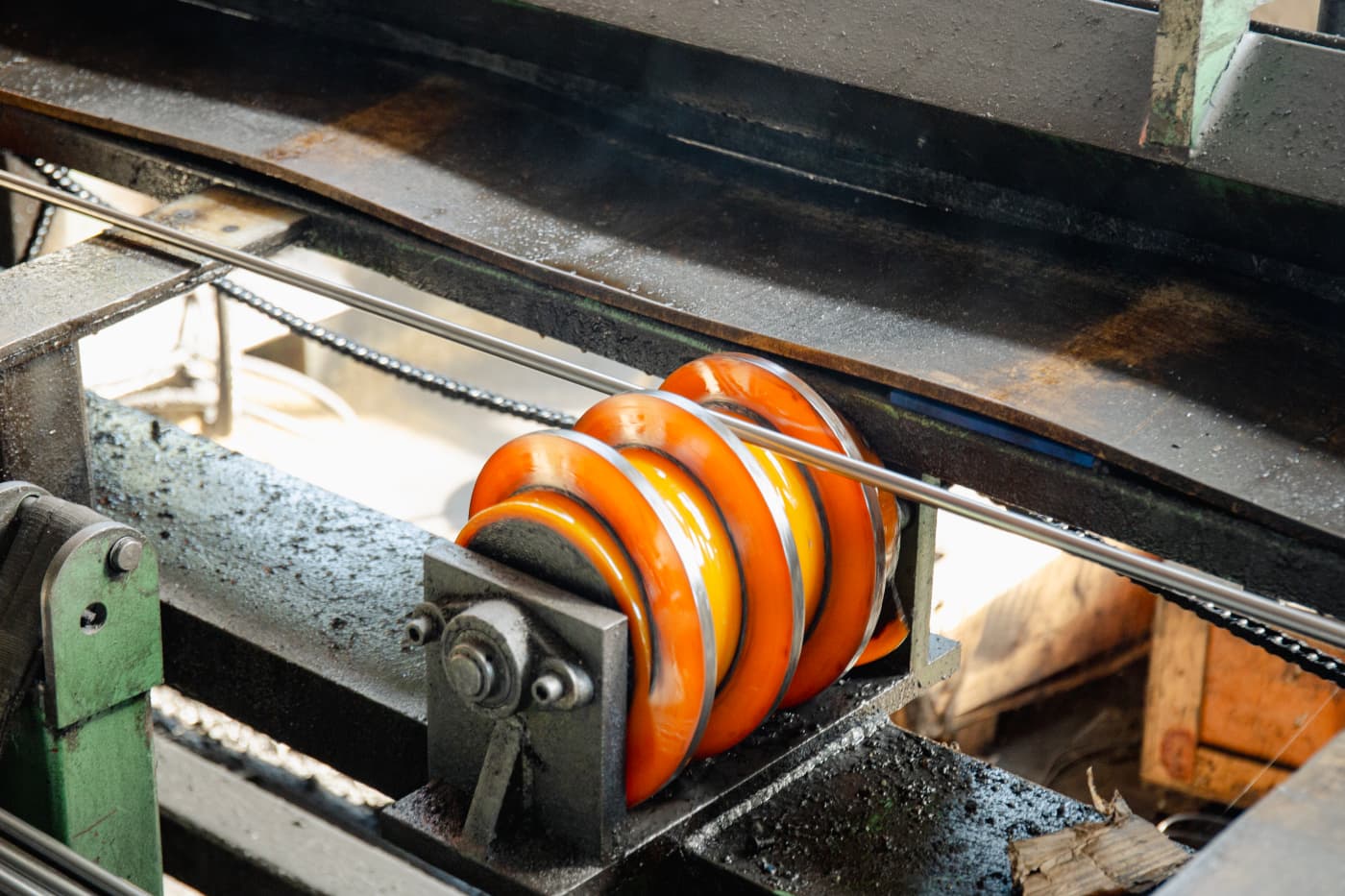
The prepared material is pulled through a die with a reduction in cross-section. The amount of reduction per pass is calculated carefully: too little and the process is uneconomical, too much and the surface can tear or the internal structure can be damaged.
Drawing is performed with proper lubrication and controlled pulling speed. Our drawing line is set up to handle both single-pass and multi-pass schedules, depending on the final size and the steel grade. This is also the stage where the steel picks up its bright, oxide-free appearance — the visual signature of a genuine cold drawn product.
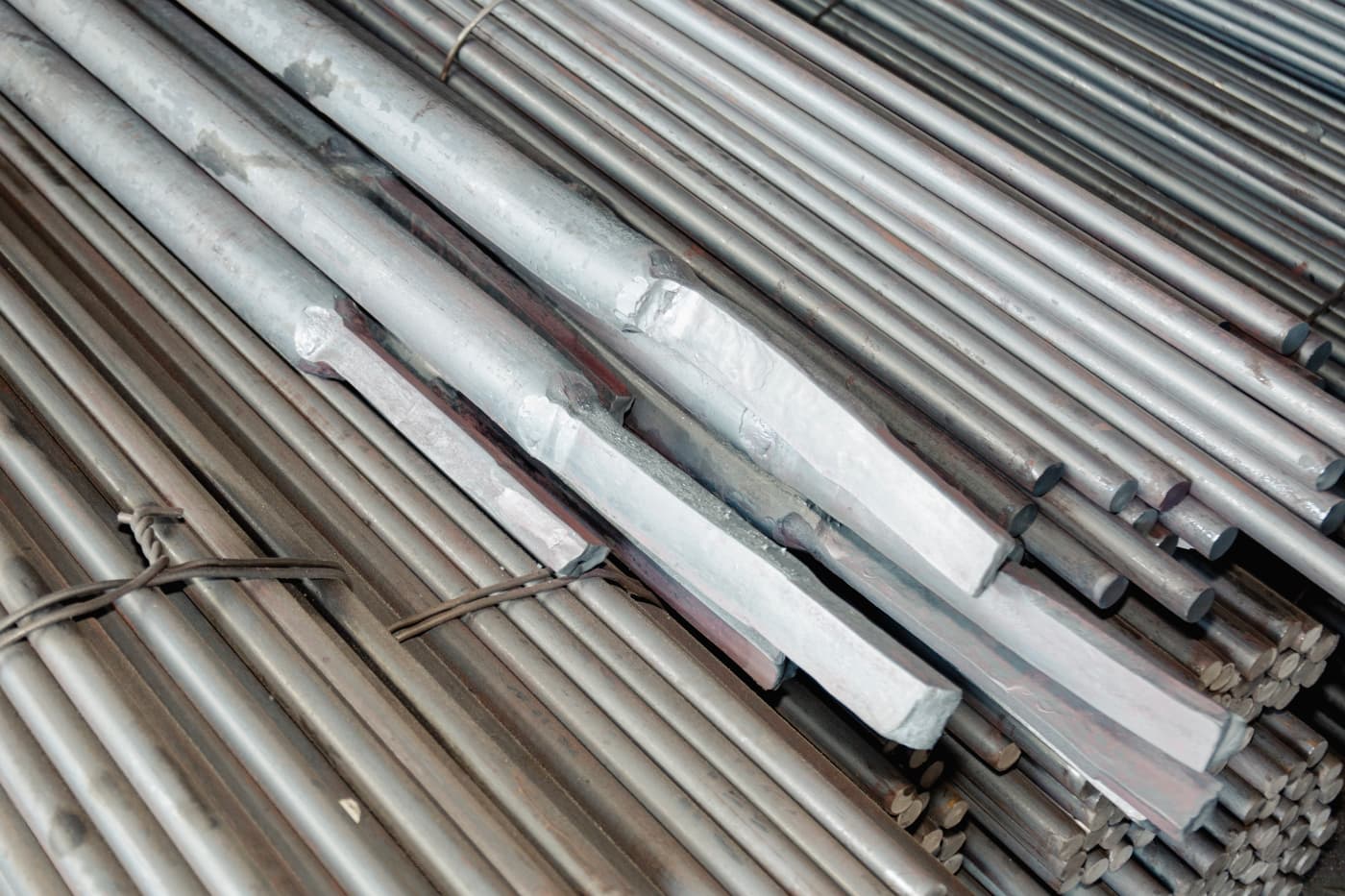
After drawing, bars may carry a slight curvature from the pulling process. They pass through a straightening machine to bring straightness within specification — typically 0.5 mm per meter or better, depending on the product and the agreed tolerance.
Bars are then cut to ordered lengths, usually 6 meters as standard or custom lengths to your drawing. Accurate cutting matters more than it may seem: if the supplier cannot hold consistent length, your machining fixtures and handling equipment will pay the price downstream.
Not every order needs heat treatment, but some grades and applications do. Medium carbon and alloy steels such as C45 and 40Cr can be supplied in the as-drawn condition, spheroidized annealed for improved machinability, or normalized where specified.
A full-process manufacturer should be able to discuss heat treatment options honestly and confirm what is appropriate for your grade and application — rather than quoting a standard answer for every enquiry.
Before anything is packed, the material is checked for dimensions, straightness and surface condition. Width, thickness or diameter are measured against the agreed tolerance class, and bars are visually inspected for laps, seams, scratches or other surface defects that would affect machining or plating later.
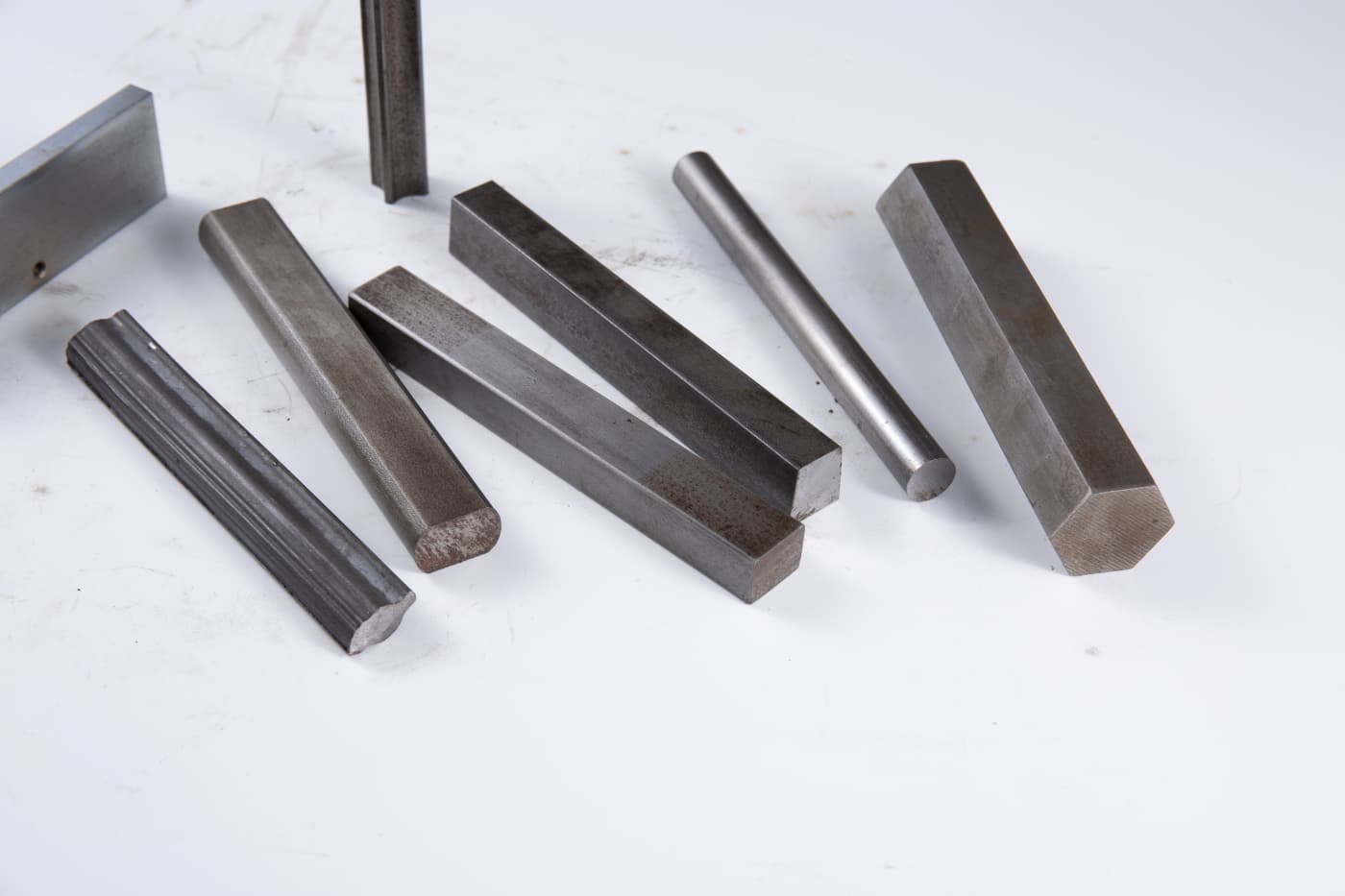
For cold drawn round steel, square steel, flat steel and hexagonal steel, dimensional checks are performed with calibrated gauges, and the results are recorded per heat number so that every bundle is traceable. If your application is sensitive to surface condition — for example, parts that will be chromium plated or precision ground — tell your supplier in advance so the inspection plan can be adjusted accordingly.
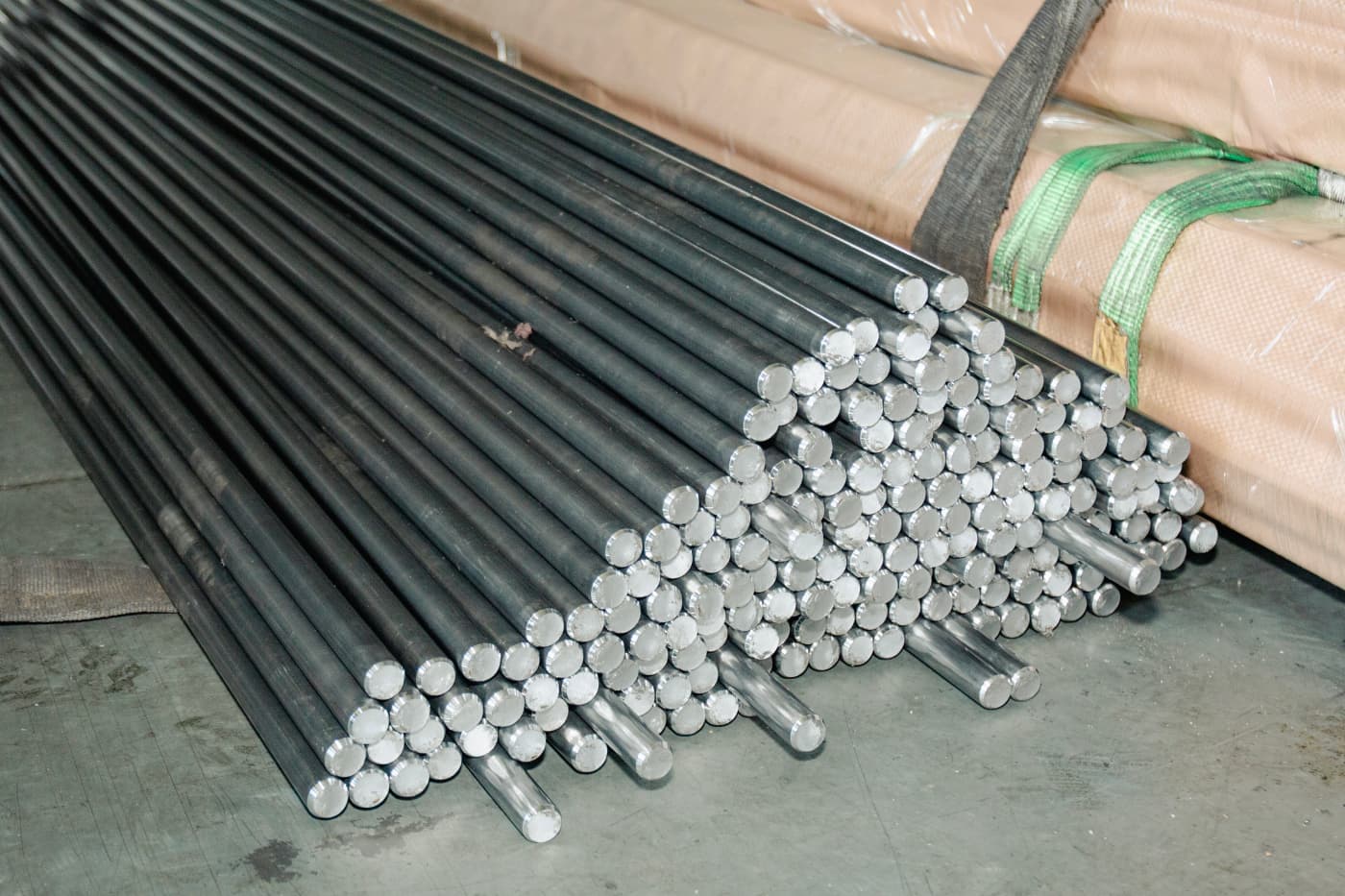
Cold drawn steel has a bright, clean surface, which is exactly why rust protection matters in export shipments. A manufacturer that ships overseas should protect the surface from the moment the bars leave the drawing line until they arrive at your warehouse.
Depending on the destination, season and agreed specification, we apply rust preventive oil or VCI paper, wrap bundles, and secure them with steel strapping. Heat numbers are marked on each bundle so the material can be traced and verified on arrival. When you evaluate a supplier, ask two practical questions: what packaging does your standard export order include, and how do you protect the surface for longer transit times or humid climates?
Quality is not a final checkpoint — it is a chain of checkpoints. At our Suzhou plant, each batch follows a documented route:
Incoming raw material is verified against the mill certificate and heat number.
Process parameters for each drawing pass are recorded.
Dimensional and surface checks are carried out during and after production.
A Mill Test Certificate to EN 10204 3.1 can be issued for the batch, showing chemical composition and mechanical properties.
Bundles are tagged with heat numbers for full traceability back to the source coil.
Many trading companies resell cold drawn steel without controlling the process. When you order from a full-process manufacturer like Suzhou Zhenfu, the practical difference shows up in three places:
Consistency: the same line, the same dies, the same operators — from sample to production batch.
Traceability: every bundle can be linked to a heat number and its mill certificate.
Responsiveness: if a tolerance needs adjusting, the conversation happens with the people who actually run the drawing line.
To get an accurate quotation, share these details with your supplier:
Product shape: round, square, flat, hexagonal, or special section
Dimensions and tolerance class (e.g., 20 mm round, h9)
Steel grade and required standard
Length and quantity
Surface condition and any heat treatment requirement
Required documentation, such as MTC 3.1
Send your drawings or specifications to our team and we will review them against our production capability — including custom special section profiles manufactured to your drawings.
Cold drawn steel is pulled through a die at room temperature, which produces tighter tolerances, a brighter surface and higher strength from work hardening. Hot rolled steel is formed at high temperature and has a scaled surface with looser tolerances. For parts that need consistent dimensions and a clean surface, cold drawn is usually the better choice.
Yes. We can issue a Mill Test Certificate to EN 10204 3.1 for the batch, showing chemical composition and mechanical properties, and bundles are traceable by heat number.
For most products we work to h9, h10 or h11 depending on the grade and dimension, with straightness typically within 0.5 mm per meter. The final tolerance is confirmed against your drawing and the applicable standard before production.
Yes. We manufacture custom cold drawn profiles to your drawings, including die development, sample production and mass production. Send your drawing for a free engineering review.
Ask three questions before you place an order. First, can they show you the drawing line and identify the actual production equipment? Second, can they provide a mill test certificate with the heat number for your specific batch? Third, are they prepared to discuss tolerance and surface requirements in detail, or do they only quote a standard specification? A genuine full-process manufacturer will answer all three without hesitation.
Related pages: Cold Drawn Flat Steel · Cold Drawn Square Steel · Cold Drawn vs Hot Rolled

Experience the outstanding industrial quality of Zhenfu. Our meticulously designed cold-drawn steel can enhance performance in various fields. If you need a customized solution, please contact us and collaborate with Zhenfu.


