
Why We Source Raw Material From Baowu & Ansteel — Not Open-Market Billets
When you buy cold drawn steel bars, you are really buying two things: the drawing process, and the steel itself. Most suppliers talk about their drawing machines, their die tolerance, their straightening equipment and that matters. But if the raw billet has internal laminations, surface seams, or inconsistent chemistry from heat to heat, no amount of drawing will fix it.
This is why we have spent the last seven years building direct supply relationships with six of China largest steel groups, instead of buying rerolled or open-market billets from local traders.
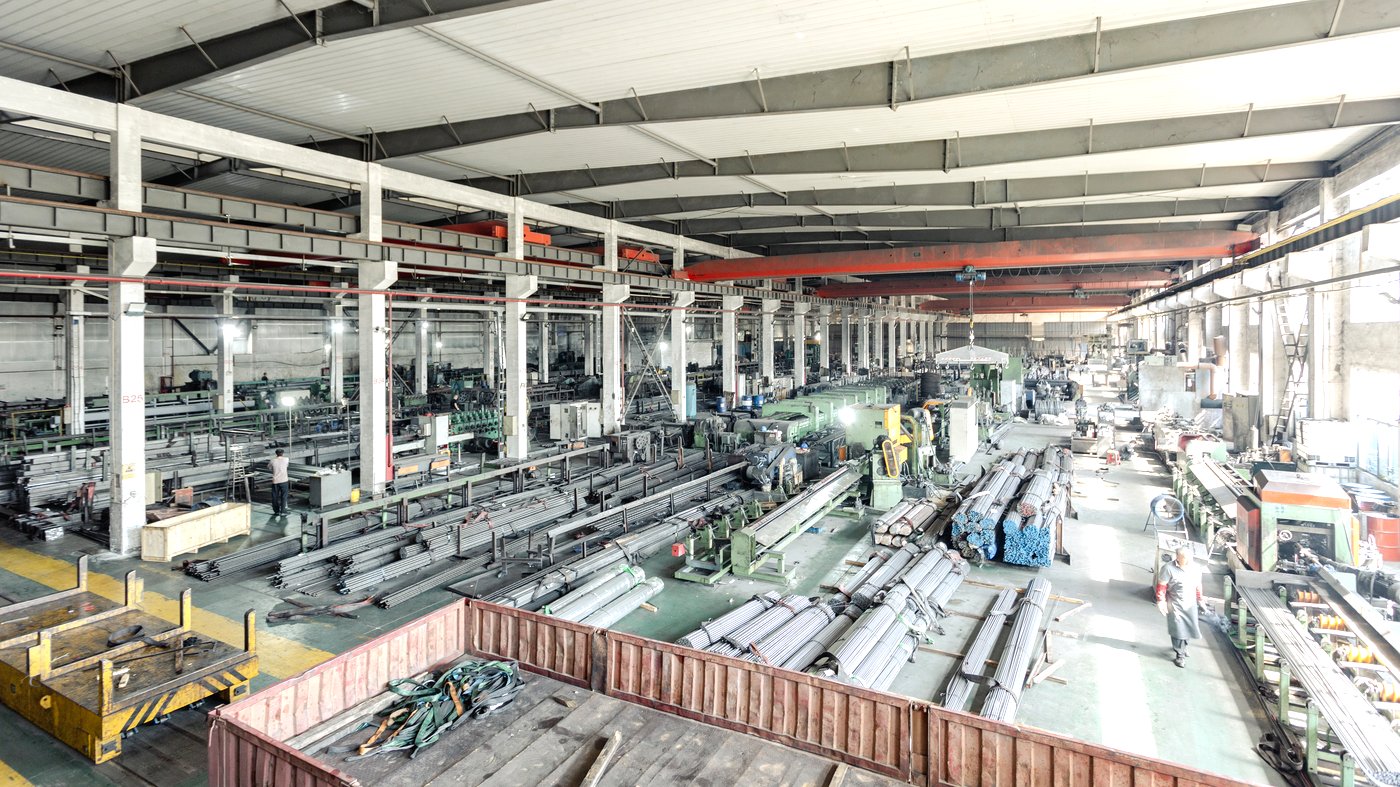
A lot of cold drawn bars on the market start as cheap hot rolled bar bought off the local spot market. The mill sold it months ago, it has been sitting in a trader yard, and nobody can tell you exactly which heat it came from or what the actual chemistry is.
We see this material come back to us all the time. The problems are predictable:
Internal seams or laminations that show up only after turning or grinding
Carbon content that drifts outside the spec, making the bar too hard or too soft
Surface defects that get pulled into the finished bar instead of removed
Heat numbers that do not match the MTC, or MTCs that are forged altogether
For a machine shop running at high volume, one bad batch of bar can scrap hundreds of turned parts and shut down the line for a day. That is not a price problem, that is a production planning problem.
We do not source from a dozen different small mills. We work directly with six tier-1 Chinese producers, and every heat we draw comes from one of them:
China Baowu - Baosteel, Wuhan Iron and Steel, Maanshan Iron and Steel, and Taiyuan Iron and Steel. Baowu is the largest steel group in China by volume, and their carbon and low-alloy bar is the reference standard for export orders.
Jiangsu Shagang Group - The largest private steel mill in China, based in Zhangjiagang. Shagang Q235 and Q195 wire rod is the workhorse for general-purpose cold drawing.
Ansteel Group - Based in Liaoning, Ansteel has one of the most consistent chemistry records for 45# and 40Cr bars, especially for Northeast Asian customers.
HBIS (Handan Iron and Steel) - Their structural grades have elevated high-temperature yield strength, which is why Middle East customers get their material from HBIS.
Nanjing Iron and Steel (with Valin Xiangsteel) - Nangang S235JR and S355J2 bars are the closest you can get to European mill tolerances without importing from Germany or Italy.
CITIC Pacific Special Steel - Xingcheng Special Steel - Based in Jiangyin, Xingcheng is our primary source for 42CrMo, 35CrMo, and other alloy grades that need tight JIS G4053 compliance.
Not every grade from every mill is the same. A S235JR bar from Baowu behaves differently than one from a small reroller, even if the nominal chemistry looks identical on paper. Over the years we have figured out which mill heats match which market expectations:
Japanese and Korean customers get their material from Xingcheng and Baowu heats that are specifically mill-certified to JIS G4053 and G3101. The tolerance on sulfur and phosphorus is tighter than the GB standard requires, which is what Japanese buyers expect.
European customers get their material from Baowu and Nangang. Their S235JR, S355J2, and 42CrMo4 bars are certified to EN 10025 and traceable to the European mill certification system.
Middle East customers get their material from Shagang and HBIS. These heats have elevated high-temperature yield strength, which matters for construction and structural applications in hot climates.
Southeast Asian customers get their material from Shagang and Yonggang. These are cost-competitive general-purpose grades that still meet the mechanical property requirements, without paying a premium for mill certifications they do not need.
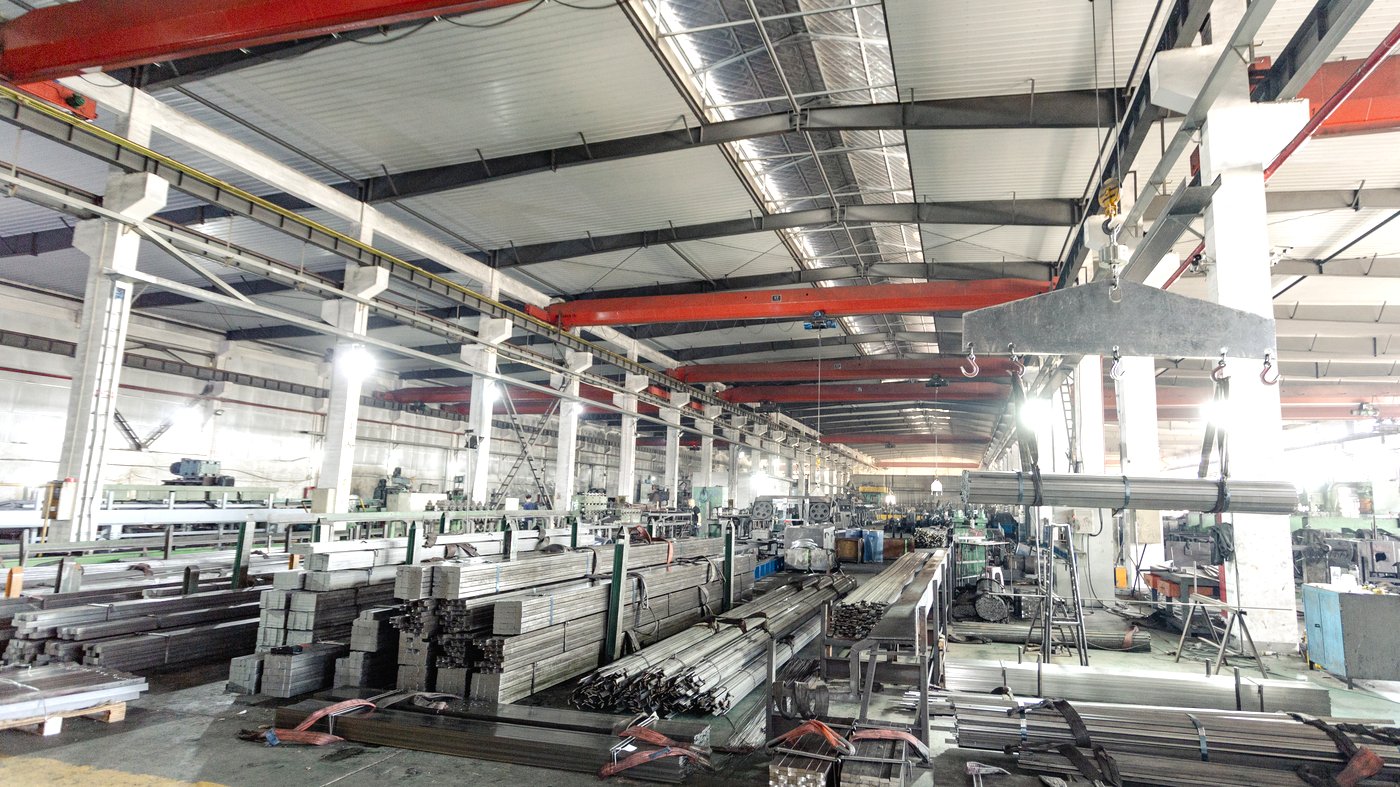
Before any heat touches our drawing die, it goes through three checks in our incoming lab:
Optical emission spectrometer - We verify carbon, silicon, manganese, sulfur, phosphorus, and all alloy elements against the heat number on the MTC. If the chemistry is outside the tolerance, we reject the entire heat and send it back to the mill.
Universal hardness tester - We lock in the incoming hardness range before drawing, so we know what the starting mechanical properties are.
End-face ultrasonic testing - We scan every billet end for laminations, seams, or internal voids that would show up later as defects in the finished bar.
Heats that fail any of these checks go back to the mill in full. They never touch our drawing line.
When you buy from us, you are not just getting cold drawn bars at a competitive price. You are getting:
Mill test certificates that actually match the material you receive
Consistent chemistry heat to heat, so your machining parameters do not drift
Material that is traceable back to a specific mill and heat number
No surprises when your quality control team cuts a sample for inspection
We do not buy rerolled bar. We do not buy open-market billets from traders. We buy directly from six mills, and we can tell you exactly which heat your order came from.
New to cold drawn steel? Read our complete guide on what is cold drawn steel and how the process works.
If you are tired of buying cold drawn bars where the heat number does not match the MTC, or where the chemistry drifts between orders, send us your specification. We will tell you which mill we are drawing from, and you will get the MTC with every shipment.

Experience the outstanding industrial quality of Zhenfu. Our meticulously designed cold-drawn steel can enhance performance in various fields. If you need a customized solution, please contact us and collaborate with Zhenfu.


